Buying Guides
Spherical Tin Boxes: Construction, Printing and Use Cases
How two-piece spherical tins are built, what can be printed on a curved surface, the sizes and packing, and the tooling decision that sets the timeline.
A tin that is round in every direction makes a different impression on a shelf — it rolls out of the rectangular grid that most packaging sits in. It also makes different demands on the maker: a curve to print across, a shape to tool, and a carton that has to be planned around air. This guide covers how two-piece spherical tins are built, what can be printed and formed on them, and how to specify one.
It is written for brands and promotional teams considering a shaped tin — confectionery, gifts, seasonal ranges, novelties. One distinction runs through everything below: a surface is printed, a shape is tooled, and the two have different timelines.
What spherical means in tin manufacturing
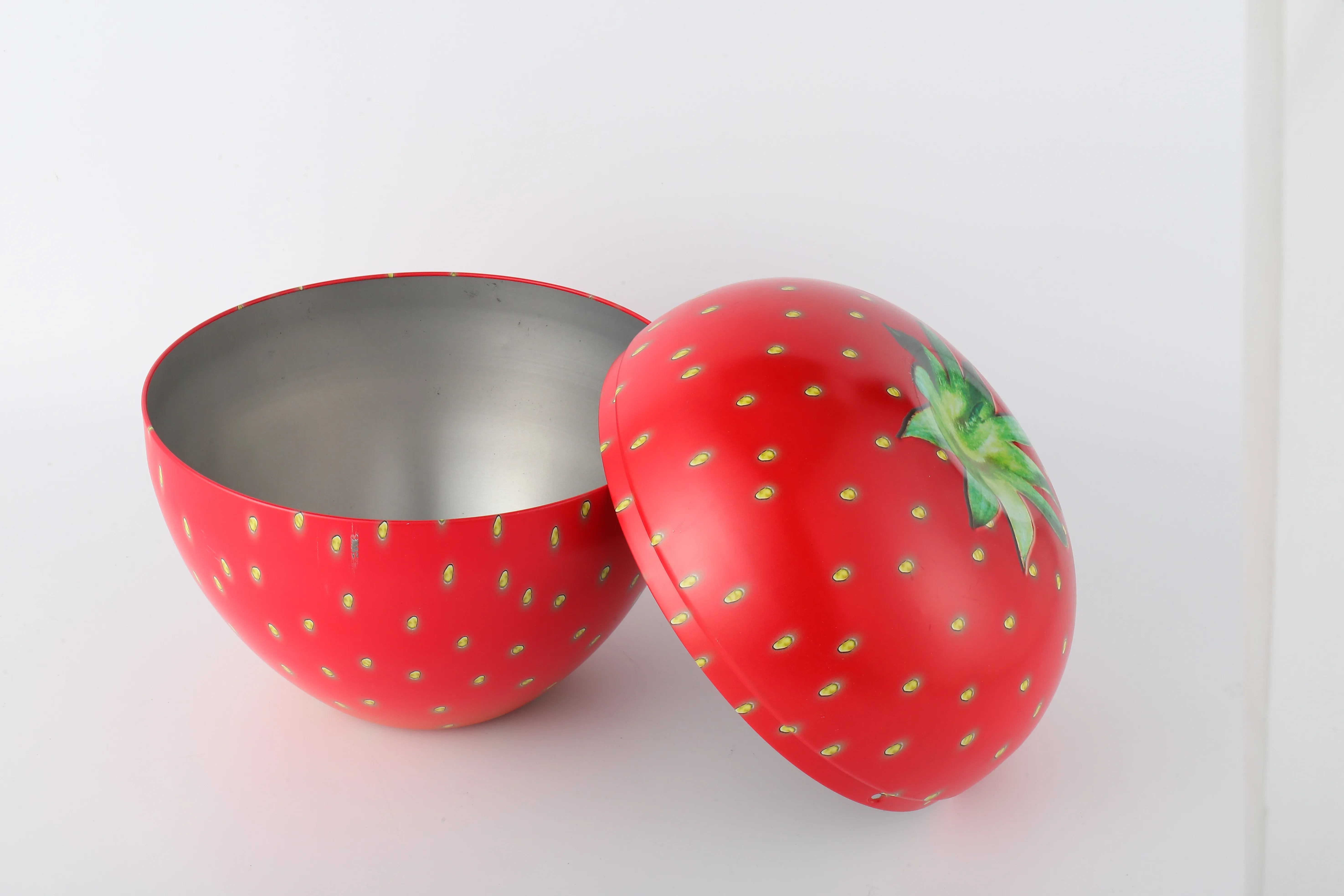
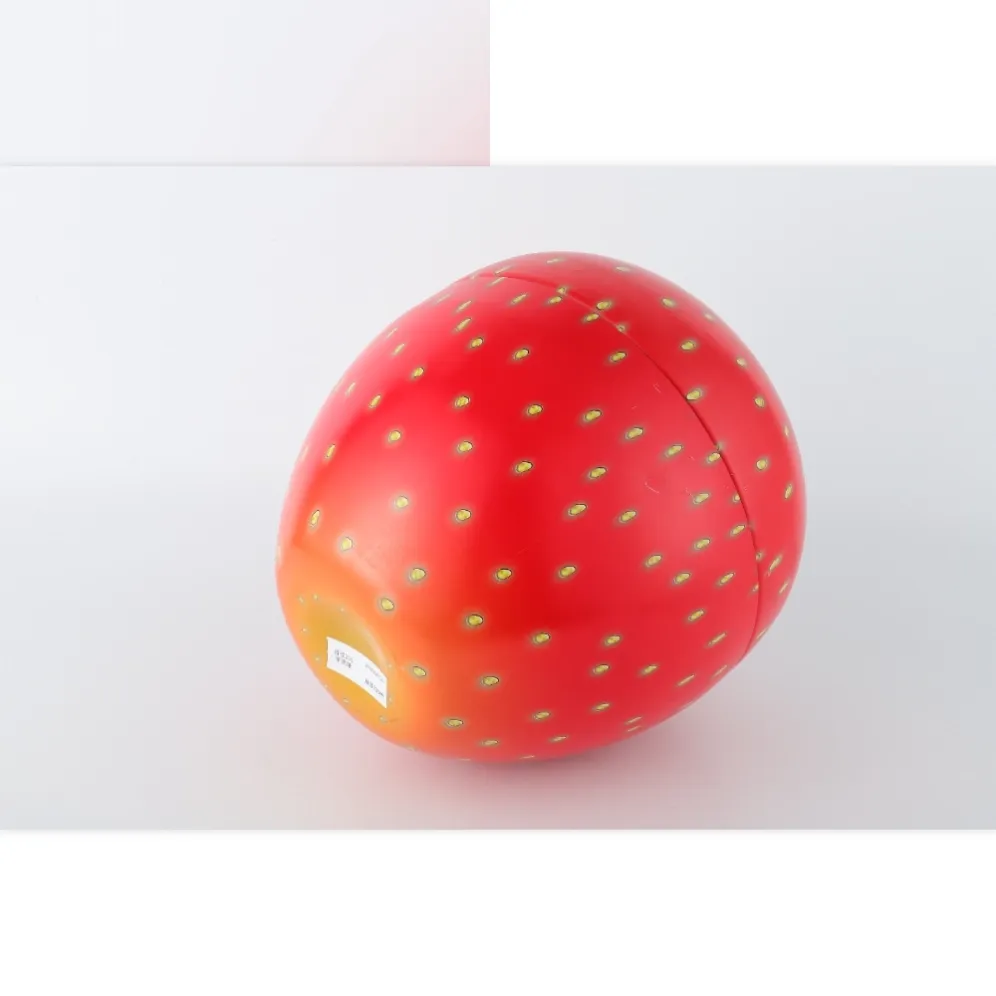
A spherical tin is built in two pieces: a pressed body and a fitted lid. The one we produce, Item No. BA250-2S, is exactly that, shown in a strawberry shape. Lid fit is one of the things a physical sample exists to check.
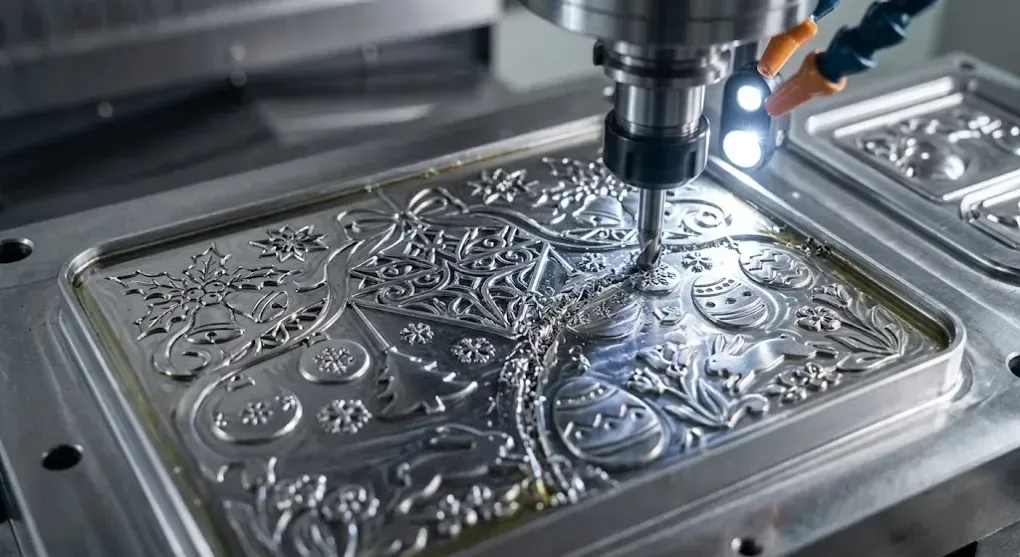
Shapes are tooled, not printed. A new shape is a mould-making project before it is a printing project, and buyers sometimes ask for shapes we do not hold moulds for yet — an egg for an Easter range, for instance — so the honest answer is that it becomes a tooling decision, best designed around a volume that justifies the moulds.
How it is made
The plate is cut, printed, pressed into shape and inspected — the sequence we use for printed tinplate. On a sphere the pressing stage does the real work, because the body and the lid are pressed into curved parts. Our standard gauge is 0.23 mm tinplate; above 300 mm on any dimension we recommend 0.25 mm.
Printing on a curve
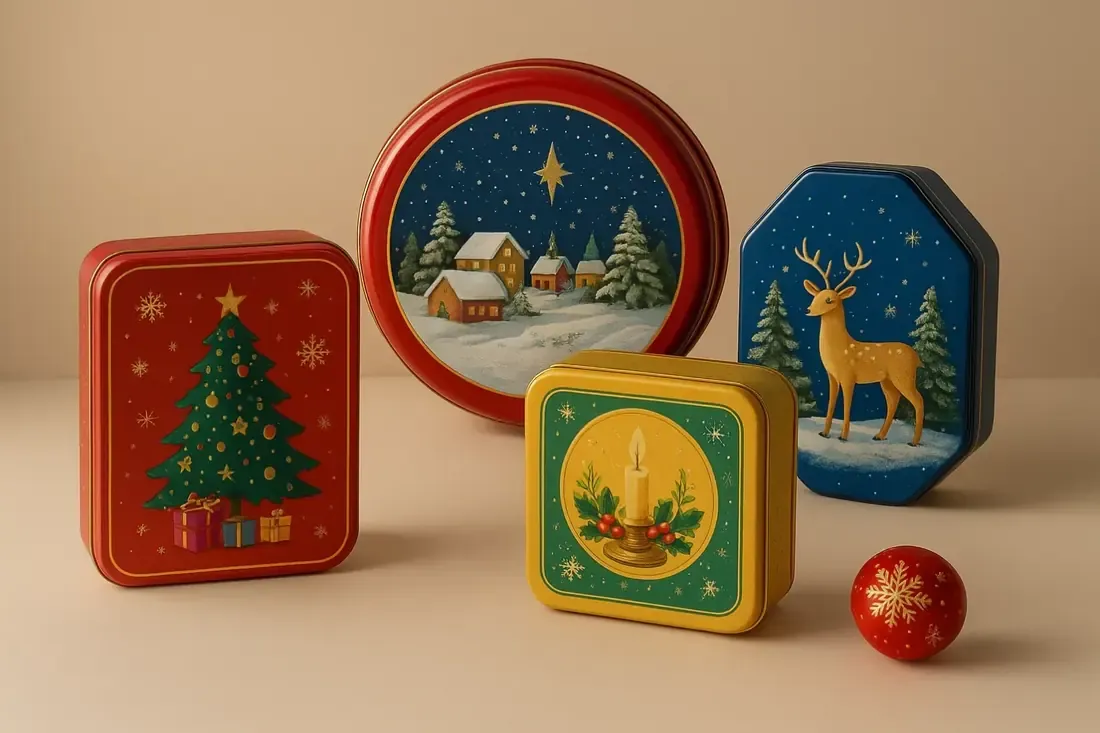
The curved surface takes full-surface printing, so artwork wraps smoothly around the body rather than stopping at a lid. Printing is CMYK or Pantone matched — traditional printing, lamination, hot stamping and silkscreen are all available — and finishes include gloss, matte, spot gloss and metallic. Emboss and deboss, windows, handles and coin slots can be added.
One practical note: artwork for a shaped tin has to sit on the shape's dieline, so ask for it before you finalise your files.
Sizes, filling and packing
Our spherical listing, Item No. BA250-2S, is built at D250 × 250 mm, and custom sizes are available. Tell us what goes inside and how it will be filled, and we will advise on the size before tooling or artwork is committed.
Packing is specified as 1 piece per OPP bag, 6 pieces per carton, carton 51.5 × 51.5 × 53.5 cm. When you compare this tin with a rectangular tin, compare cost per piece rather than per carton.
The minimum order is 5,000 pieces for custom printing.
Direct food contact — for a sweets tin, say — is assessed per project, because it depends on the tinplate, the coating and the inks together. Ask at the sample stage and we will tell you which documents cover what.
The tooling question, and the timeline
Three things decide a shaped-tin project: whether the shape already exists, when the artwork is approved, and when the order is confirmed with deposit received. A shape we already produce skips tooling entirely; a new shape does not. That single difference shifts the whole timeline.
From there the standard times apply: sampling about 7 days from artwork approval, mass production about 30 days from order confirmation, sample approval and deposit receipt. For a seasonal range, book before the window opens — Christmas and Chinese New Year are the two busiest periods for tin packaging.
Where spherical tins fit
The uses repeat: candy and snacks, gifts and seasonal ranges, promotional items, toys and novelty packaging, and specialty food. The curved surface takes the print, so the artwork wraps around the body rather than sitting on a flat lid.
If you are considering one, send the size you need, what goes inside, the printing and finish you have in mind, and your target date. If the shape is new, say so early — that is the decision that sets the whole timeline. Samples take about 7 days once artwork is approved, and mass production about 30 days from order confirmation, sample approval and deposit receipt.