Sep 29, 2026Buying Guides
Custom Tin Packaging Lead Times: A Seasonal Planning Guide
How the calendar for a custom tin project actually runs: the stage times, the four things that move a delivery date, and when to book a seasonal launch.
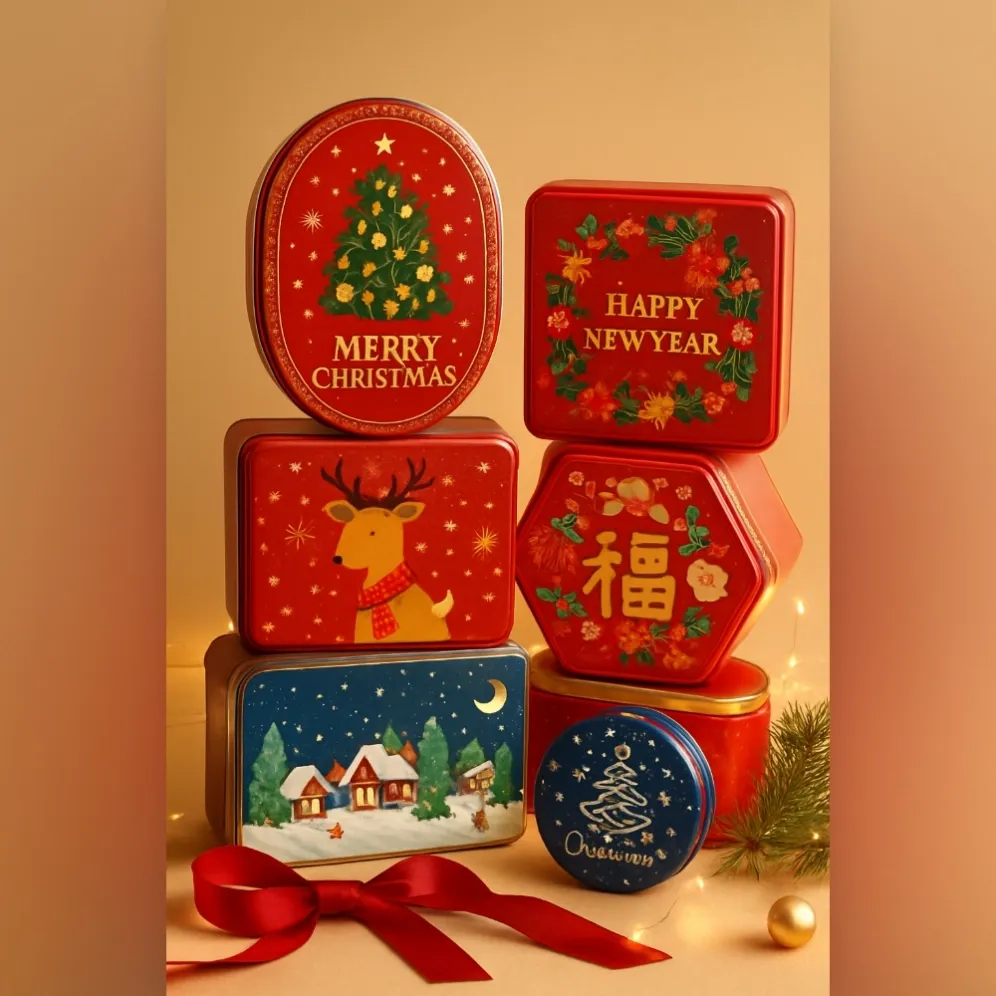
Most first emails we receive are one line long: please send your catalogue. The question that decides whether a seasonal range actually ships on time comes later, and it is harder: how long will it take? A custom tin is not taken off a shelf — the date your goods arrive depends on when your artwork is ready, whether the shape needs new tooling, and how early you book. This guide sets out the calendar we work to.
It is written for brand, product and sourcing teams planning a seasonal launch — Christmas, Chinese New Year or a spring range — who need the production calendar in writing before they commit. It is not a price list. The figures below are planning numbers, and the confirmed dates go on your quotation.
A custom tin project has four dates, not one
It is tempting to think the clock starts when the purchase order is placed. On the factory side, it starts earlier. The four dates that decide a seasonal project are: artwork approved, sample approved, order confirmed with deposit received, and goods ready to ship. The 30-day production window starts at the third date, not the first. That is why a project that looks comfortable in September can become an air-freight order in November.
The purchase order is not the start. Artwork approval is — and a new shape puts tooling in front of that.
What each stage takes
Sampling takes about 7 days once the artwork is approved. That covers a physical sample so you can check structure, lid fit and colour before anything is committed to a production run. If the shape is one we already produce, nothing else is needed before sampling starts.
Production runs about 30 days from order confirmation, sample approval and deposit receipt being in place. Printing and forming are done in-house, which is why sampling and production share one schedule rather than being handed between suppliers.
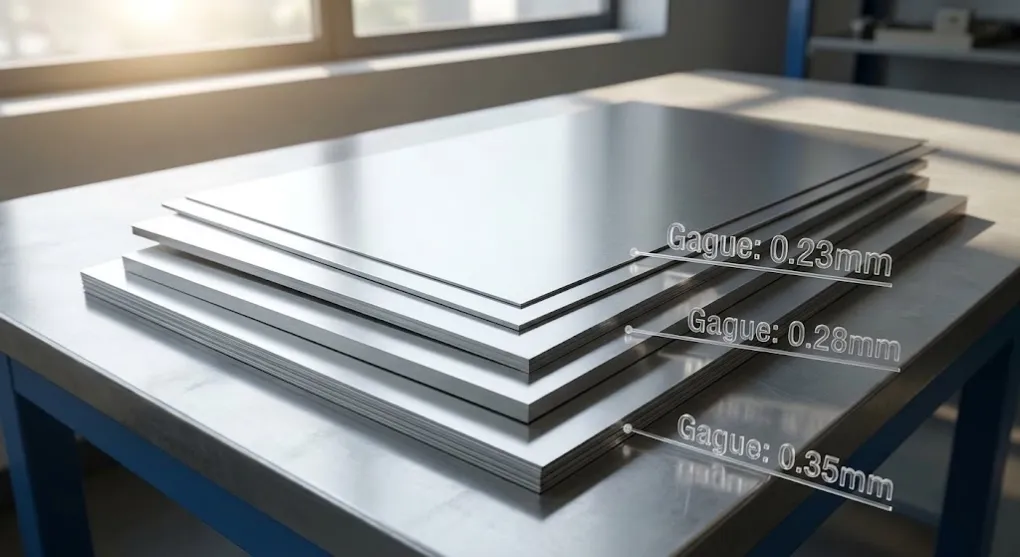
Minimum order is 5,000 pieces for custom printing. Below that figure, tooling and print setup dominate the unit price. Our standard tinplate gauge is 0.23 mm; above 300 mm on any dimension, we recommend 0.25 mm.
The four things that move your delivery date
New tooling. A shape we have not produced before needs moulds made and proven before sampling can start. It is the step that does not exist for shapes we already produce.
Artwork readiness. Print-ready files — CMYK or Pantone references, bleed and dieline — let printing start on the agreed date. Artwork arriving late moves everything behind it.
Peak season. Christmas and Chinese New Year are the two busiest windows for tin packaging, and seasonal orders should be booked well before the window opens. Chinese New Year falls on 6 February in 2027 — a fixed point to plan a spring launch against.
Shipping mode. Sea freight is the economical route and takes longer in transit; air freight shortens the transit but not the production. Decide it with the schedule in front of you, not at the end.
Your levers are the files you send, the date you book, and the shipping mode you choose. A new shape and the two peak windows belong in the plan from the first conversation — plannable, not sudden.
Counting back from your launch date
Work backwards from the date the goods need to leave the factory. Allow about 30 days for production, then about 7 days for the sample, then the time your own team needs to approve artwork, then the tooling step if the shape is new. The date you land on is the date the project has to start.
A worked example: goods leaving the factory in the first week of November. Production takes about 30 days, so order confirmation, sample approval and deposit need to be complete by early October. The sample takes about 7 days, so artwork needs to be approved by late September. If the shape already exists, that is the whole chain; if it is new, the tooling step sits in front of everything.
Transit time is the one number we will not guess for you. Sea and air routes differ by destination and season, so ask for the transit estimate for your port in the quotation and count it in before you fix an in-store date.
What to send us to get a date in writing
Six details and we can quote without a round of questions: what goes in the tin and the shape you want, or your target dimensions if a standard shape is fine; your first-order quantity and annual volume if you have one; how the print should look — full-surface artwork, logo only or a plain finish — and whether colours are CMYK or Pantone matched; any tinplate thickness preference, otherwise we quote our 0.23 mm standard; your market and the certificates or tests your customer asks for; and your target date with the destination port or city.
Send those and the quotation comes back with a schedule attached — the stage times above, written for your project rather than this page.
The short version
Sampling takes about 7 days from artwork approval; production about 30 days from order confirmation, sample approval and deposit. New tooling and the two peak windows are the variables; artwork, booking date and shipping mode are the levers you hold. If you are planning a Christmas or Chinese New Year range, send the six details above and we will build the calendar backwards with you — start on the contact page.